

Can We Have a Friend “Marry” Us in Australia?
Your friend can absolutely stand up there with you on your wedding day, sharing your story, leading your vows, and making the moment feel personal. But Australian law says only an authorised marriage celebrant can be the one to legally marry you, under the Marriage Act 1961.
The good news? That doesn't mean your friend is left out of the process. Many couples across Australia now have a friend officiate their wedding through what's known as a "co-pilot" ceremony, where the friend leads the heartfelt, personal side of things, while an authorised celebrant quietly takes care of the legal requirements behind the scenes. It's a simple way to have both a legally valid marriage and the friend you love front and centre. Here's exactly how it works.
Quick Answer: A friend can't legally marry you in Australia unless they're a registered celebrant, but they can lead your ceremony through a co-pilot wedding while an authorised celebrant handles the legal side.
Why a Friend Can't Legally Marry You in Australia - Australian Marriage Law
A friend can't legally marry you in Australia because only an authorised celebrant, someone registered with the Commonwealth Attorney-General's Department, has the legal power to solemnise a marriage under the Marriage Act 1961. This rule applies to every wedding in Australia, whether civil or religious.
Here's why:
Online ordinations aren't recognised. Unlike the US, where getting ordained online takes minutes, Australia doesn't accept internet-based ordinations as valid legal authority.
The Marriage Act 1961 limits who can officiate. Only three types of people are legally authorised: Commonwealth-registered civil celebrants, recognised religious ministers, and state registry officials.
No registration means no legal authority. Since your friend isn't an officially registered professional, they can't conduct a legally valid marriage ceremony on their own, no matter how well they know you.
That's the legal side. It doesn't mean your friend is shut out of your ceremony altogether, just that the legal part and the personal part are two separate roles.
Want your friend to lead the ceremony while the legals are covered? That's exactly what the Inner Crew I Do package is built for. Mark handles all the legal requirements, guidance, and setup, so your friend can focus purely on making the moment yours.
What a Friend Can and Cannot Do
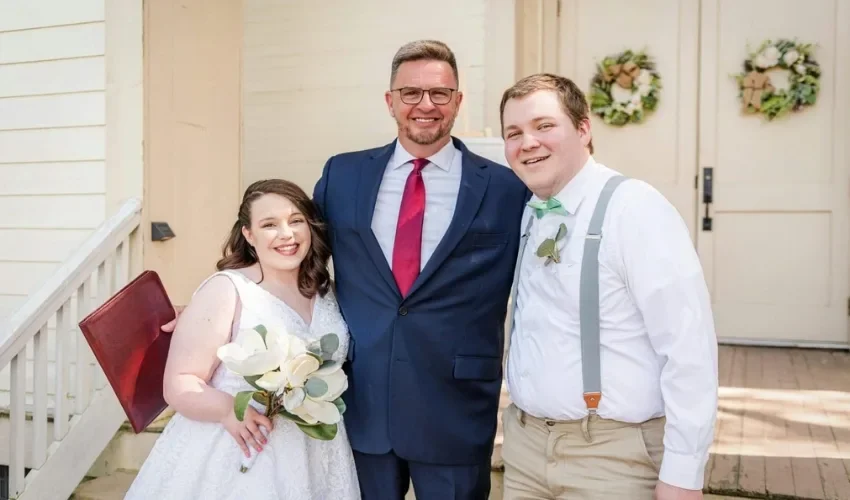
Splitting the ceremony between a legal role and a ceremonial role is what makes a co-pilot wedding work. Here's exactly where the line sits.
Legal Responsibilities (Celebrant Only)
An authorised celebrant is the only person who can handle the parts of your wedding that make it legally binding:
Lodging the Notice of Intended Marriage (NOIM) with the correct government department
Delivering the mandatory legal wording, including the Monitum, during the ceremony
Verifying identity documents and evidence of eligibility to marry
Signing and filing the official marriage certificate after the ceremony
Ceremonial Roles (Your Friend)
This is where your friend gets to take the lead and make the day feel like you:
Hosting the ceremony and sharing your love story with your guests
Writing and delivering personalised readings, vows, or symbolic elements
Guiding rituals like the ring exchange, unity ceremonies, or any custom traditions you want included
Bringing the humour, warmth, and personal touches only someone who knows you well could offer
Can a Friend Be Your Celebrant in Australia?
Only if authorised. The good news is that nothing in Australian law stops your friend from becoming one. It's simply a matter of them going through the official process rather than skipping it. Since registering as a celebrant is the only path that would let them legally marry you, here's what that actually involves for your friend.
Steps to Become an Authorised Marriage Celebrant in Australia
Complete a Certificate IV in Celebrancy through a registered training organisation
Submit an application to the Commonwealth Attorney-General's Department
Attend an interview to demonstrate their understanding of the role and legislation
Receive official approval and registration
Begin legally performing marriages
How Long Does It Take to Become a Marriage Celebrant in Australia?
The process usually takes 6 to 18 months, depending on course scheduling and processing times. For most couples, that timeline makes it a big commitment to arrange purely for one wedding, which is exactly why the co-pilot approach has become such a popular alternative.
How Can a Friend Officiate Your Wedding Without Being a Celebrant?
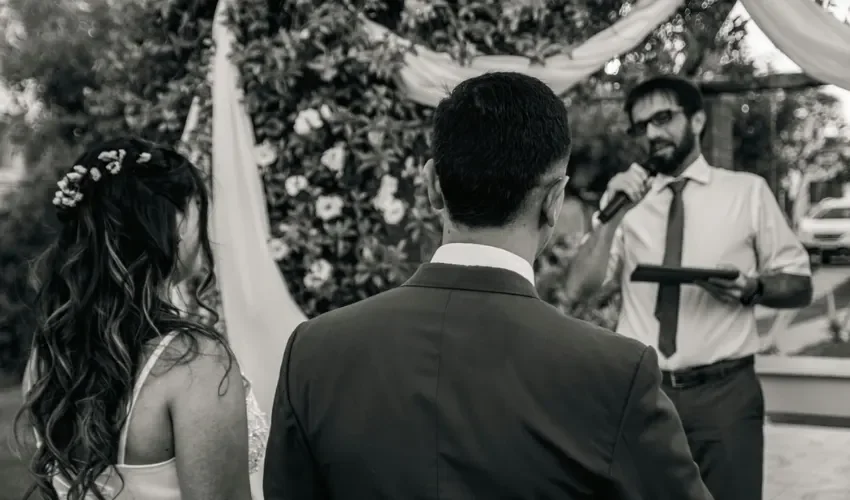
There are two practical ways to have your friend officiate without them going through celebrant registration. Both keep the marriage legally valid while giving your friend genuine control over the ceremony.
Approach 1: The "Legals-Only" Ceremony
Complete the legal paperwork, including the NOIM and identity documents, with a registered celebrant ahead of time, either at a separate short appointment or quietly on the morning of the wedding
Have the celebrant handle the legal wording and certificate signing in this private moment, so it's fully out of the way before your guests arrive
Let your friend lead a completely custom, symbolic ceremony for your guests on the main day, with no legal wording required since that part is already done
Shape the ceremony however you like: personal vows, readings, rituals, or anything meaningful to you, since there's no legal script to follow
Approach 2: The "Co-Pilot" (Tandem) Setup
Book your celebrant and brief your friend early, so both know exactly which moments belong to whom before the day arrives
Agree on how the two will share the stage; whether the celebrant opens and closes the ceremony or stays almost entirely in the background
Rehearse the handoff points together, so the shift between your friend speaking and the celebrant stepping in feels smooth, not disjointed
Confirm timing with your celebrant in advance, since the legal wording has to happen at a specific point in the ceremony regardless of who's leading the rest
What Is a Co-Pilot Wedding?
A co-pilot wedding is a ceremony style where two people share the role: your friend leads the personal, heartfelt side of the ceremony, while an authorised celebrant handles everything required to make the marriage legally valid.
It's become a popular middle ground for couples who want a friend front and centre without asking them to spend months becoming a registered celebrant. You get a ceremony that feels like you, backed by a professional who takes care of the legal side quietly in the background.
Your friend typically writes and delivers the ceremony script, hosts and MCs the day, and leads the vows, rituals, and personal touches. Meanwhile, the celebrant lodges the NOIM, verifies documents, speaks the legally required wording, and signs the marriage certificate, staying as visible or low-key as you'd like.
Want to bring your friend into the ceremony this way? Get in touch with Mark Your Ceremony to talk through how they can lead the day while the legal side is fully taken care of.
What Legal Requirements Apply When a Friend Leads Your Ceremony?
Even with a friend leading the ceremony, your marriage still has to meet every legal requirement under the Marriage Act 1961 to be valid. Here's what's involved:
Notice of Intended Marriage (NOIM): Must be signed and lodged with your celebrant between 1 and 18 months before the wedding
Proof of identity: An original birth certificate or passport, sighted by your celebrant
Evidence of prior marriages ending: A divorce decree or death certificate, if either partner was previously married
Declaration of No Legal Impediment to Marriage (DONLIM): Signed shortly before the ceremony
Two witnesses: Both must be 18 or older and physically present at the ceremony, meeting the same wedding witness requirements that apply to every legal marriage in Australia.
The Monitum: A legally required statement your celebrant must recite during the ceremony
Spoken vows: Said aloud in front of your celebrant and witnesses
Signed marriage certificates: Three copies signed by the couple, the celebrant, and both witnesses immediately after the ceremony
Your celebrant manages all of this from start to finish, so your friend's role stays exactly where you want it: on the ceremony itself, not the paperwork.
Recommended Read: Step-by-step guide to submitting your NOIM
Final Thoughts
There's no rule that says you have to pick between a friend who feels like family and a marriage that actually holds up legally. That's really the whole point of a co-pilot ceremony: your friend gets to lead the moments that make the day feel personal, while an authorised celebrant handles everything that makes it official.
If you've been wondering how to bring someone close to you into the ceremony itself, this is exactly the kind of setup that makes it possible.
Ready to plan a ceremony that's uniquely yours? Visit Mark Your Ceremony to explore packages and get in touch about your wedding day.
Frequently Asked Questions
-
No, a family member can't legally marry you unless they're a registered celebrant. They can, however, take on the co-pilot role and lead your ceremony instead.
-
Yes, but only if they've completed celebrant registration through the Attorney-General's Department. Without that, any ceremony they lead alone wouldn't be legally recognised.
-
Only an authorised marriage celebrant can legally marry you. This includes registered civil celebrants, registry celebrants, and religious ministers authorised under the Marriage Act.
-
Someone registered with the Attorney-General's Department who has completed the required training. They're the only people legally permitted to solemnise marriages in Australia.
-
No, only the authorised celebrant who conducted the legal side of the ceremony can sign it. This can't be delegated to a friend, regardless of their role on the day.
-
It typically costs a few thousand dollars once you add up the Certificate IV in Celebrancy, application fees, and registration. That's a big investment for officiating just one wedding.
-
The marriage simply isn't legally valid, even if the rest of the day goes ahead as planned. The couple would need to arrange a separate legal ceremony with an authorised celebrant afterwards.
-
Only if authorised. Nothing in Australian law stops your friend from becoming a celebrant; it just means going through the official registration process first.